RotaRod for Mice and Rats
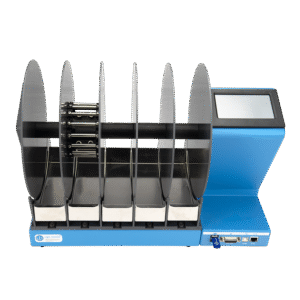
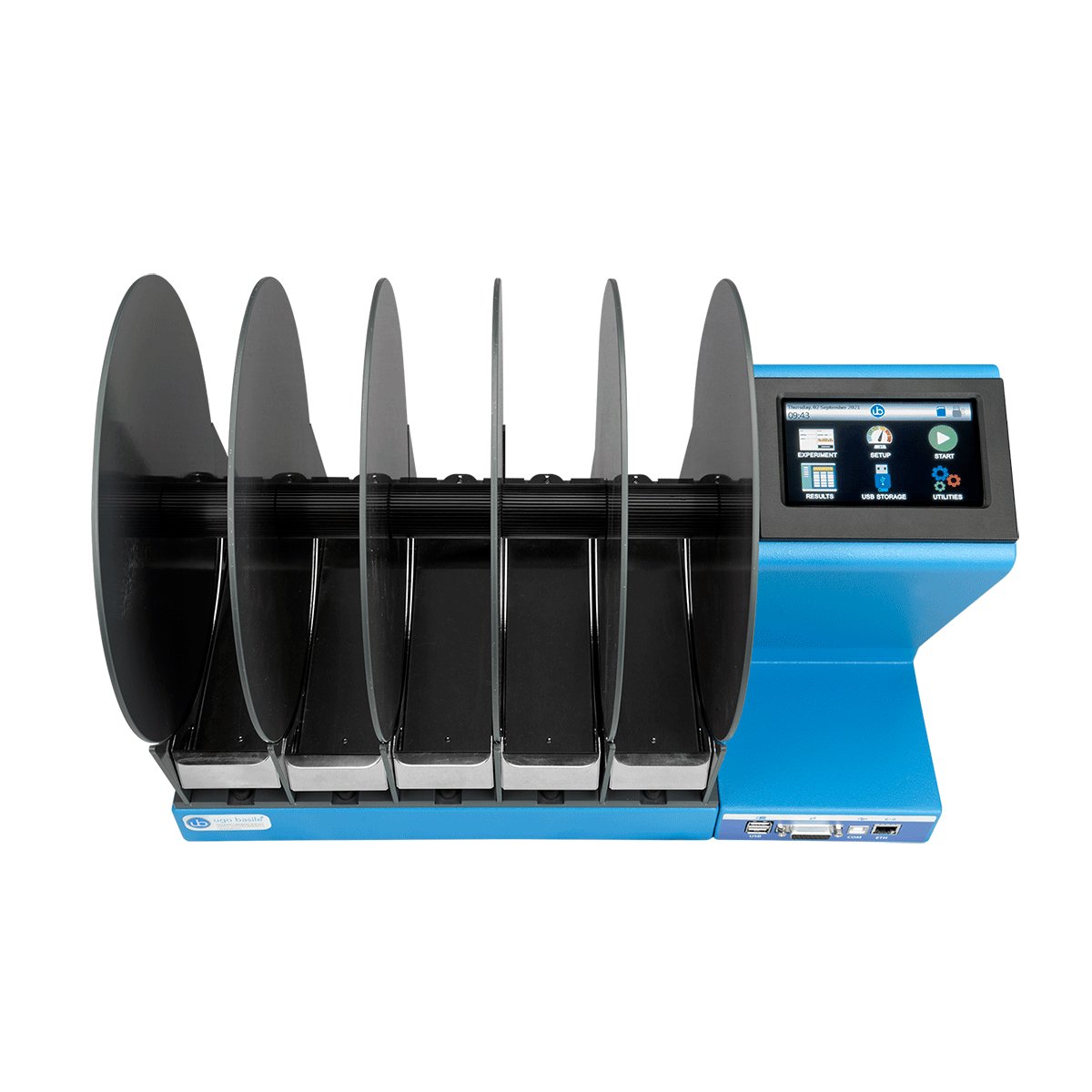
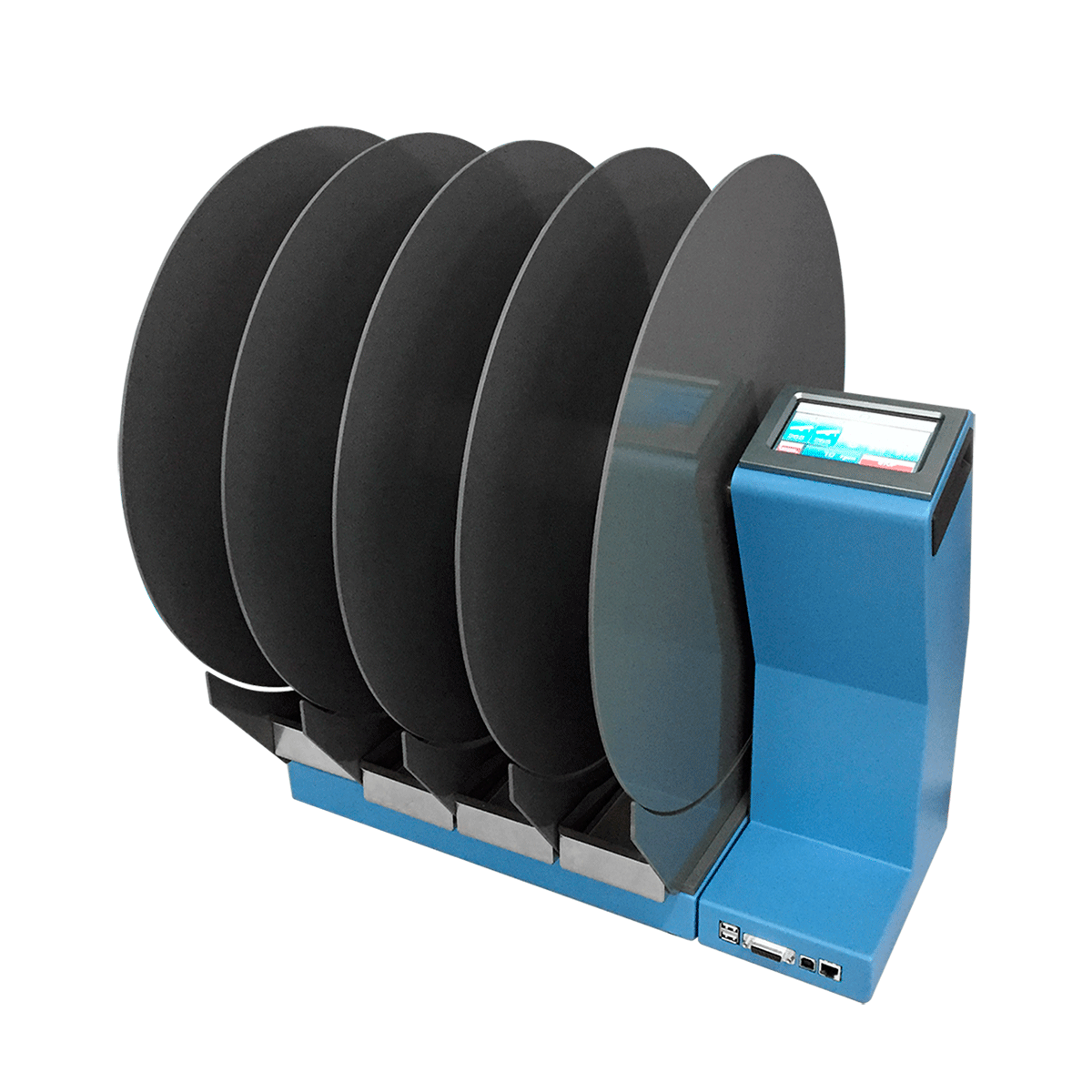
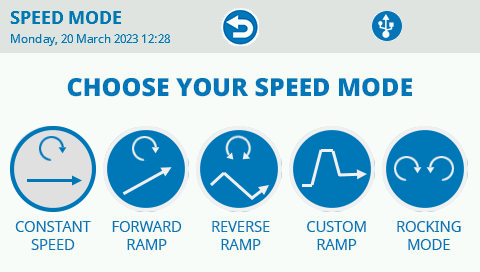
The RotaRod is a simple test to assess motor function and coordination in rodents. Motor coordination or fatigue can be evaluated by measuring the time the animal stays on a rotating rod before falling. The Rod can rotate at constant, accelerating, rocking (back and forth) or through complex acceleration/deceleration ramps, thanks to the included PC software XPad.
Product Enquiry
If you would like to send us an enquiry about this product, please click the button below, fill in the form and submit.
Product Enquiry
Product Enquiry
Please fill out the form if you would like to enquire about this product."*" indicates required fields

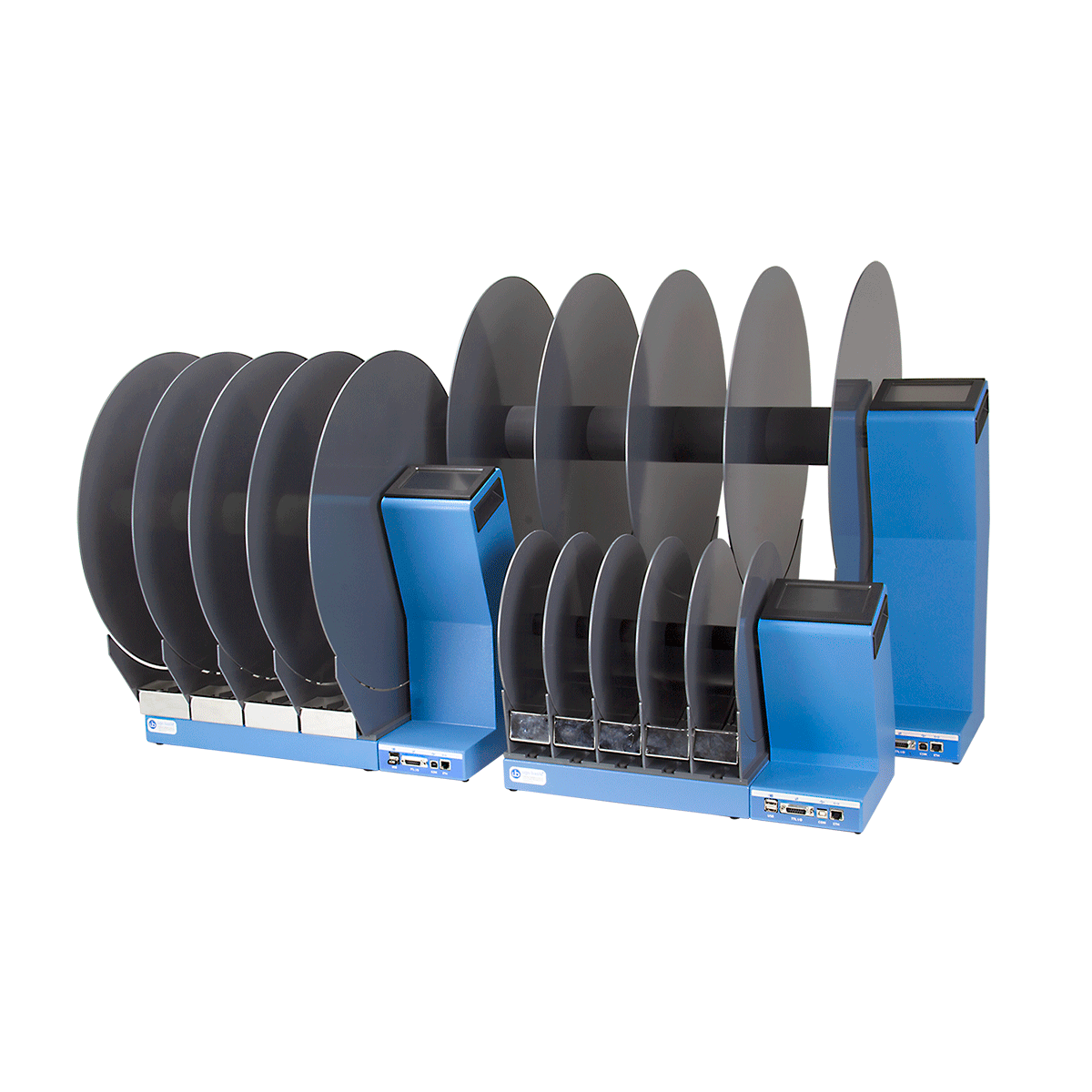
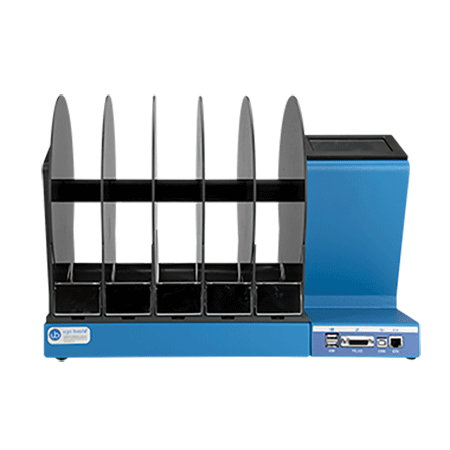
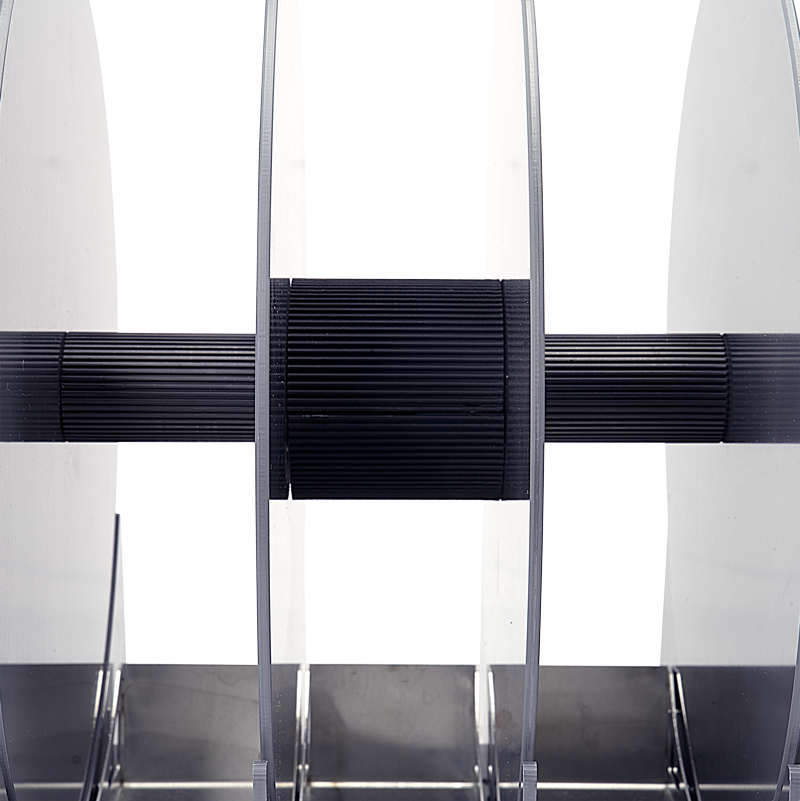
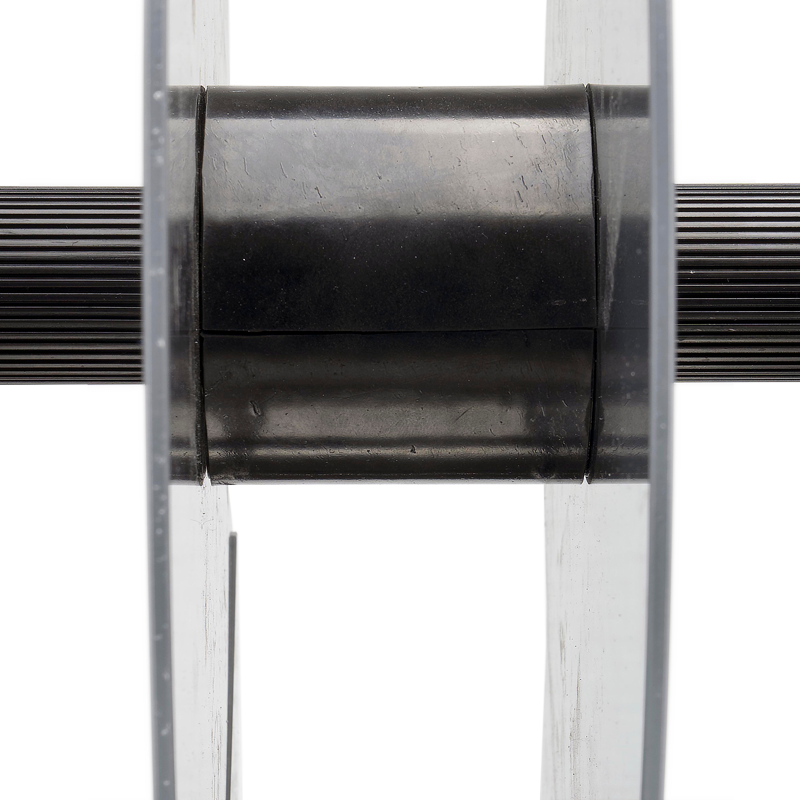
The Ugo Basile RotaRod is the 1st and original, invented after the Dunham and Miya method (1957) and today has more than 7,000 citations in the literature. Ugo Basile RotaRod comes in a mouse 5-lane version, in a Rat 4-lane version and in a “Large Rat” version, plus Rod Adapters to enlarge the diameter of the rod and Complex Wheels to add a complexity element for the animal to be tested.
As the inventor of the RotaRod, we continue to improve our best-selling and gold standard device for motor function and coordination by developing new accessories and technologies to change the complexity and increase the sensitivity of the experiment.
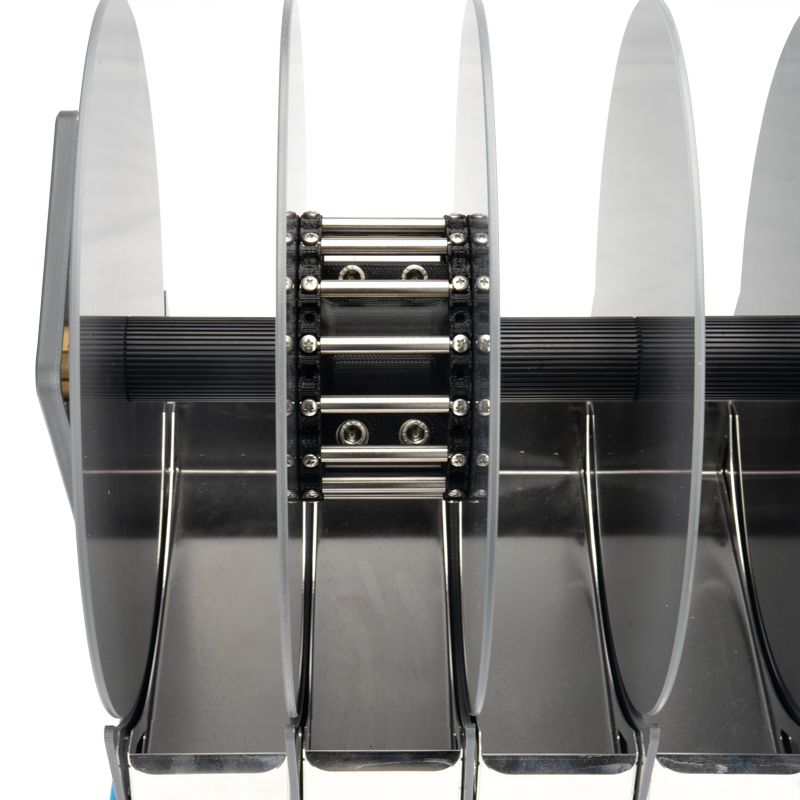
Want to increase RotaRod test sensitivity? Discover more about the new Complex Wheel for Mouse and Rat RotaRod.
nt to add multiple parameters to change the complexity of your RotaRod experiment? Discover more about RotaRod Enlargers for Mouse, Rat and Large Rat
Background
The rotarod test, invented by Dunham and Miya (1957) and transformed into a science-grade device by Ugo Basile, is one of the oldest used in assessing the effects of a drug on animal behavior. Today it is obviously used in phenotyping and not only in drug screening.
Drugs (e.g. benzodiazepines) or specific phenotypes alter neuromuscular coordination and hence the time that the mouse or rat remains on the rotating rod.
Multiple animals can be tested at the same time and several protocols exist to train and assess the motory coordination through the falling time.
The output results include for each lane:
- Time elapsed
- Revolutions
- Distance
- Speed
- Rotating mode
System components and main features
- The Ugo Basile RotaRod comes complete with:
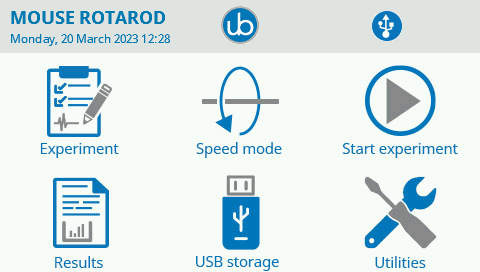
- An electronic unit with touch screen to set all parameters and save data
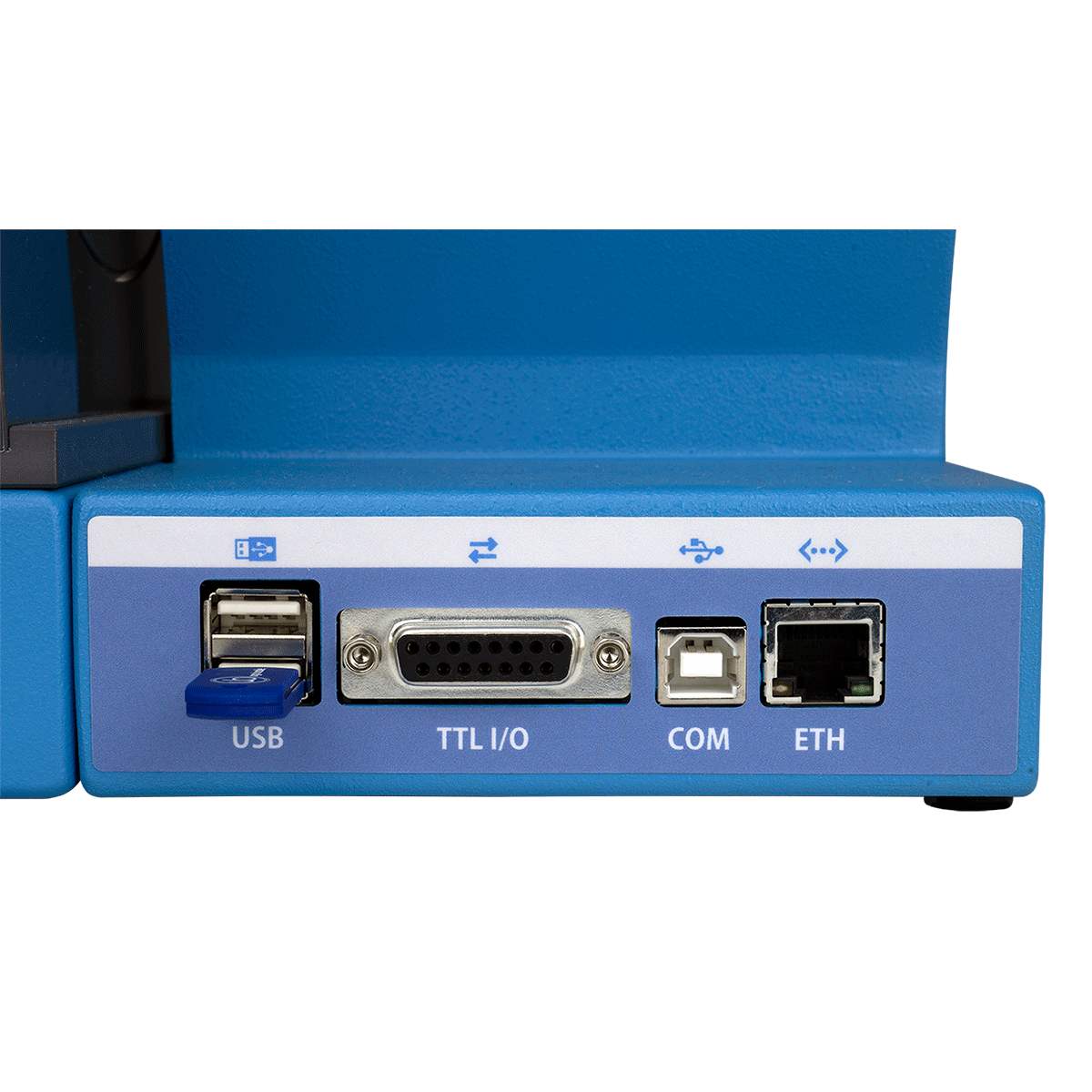
- USB port to save data and export them in CSV files
- A PC software to build custom rotation ramps and populate your animal vivarium
- Additional features include:
- TTL input/outputs for trip box status and start/stop of the test
- COM port for maintenance purposes
- Ethernet port for support and maintenance (to be used at the factory only)
Features & Benefits
Feature |
Benefit |
| Constant, rocking, accelerating and complex accelerating ramps | Flexibility for performing virtually all types of motor function and coordination behavioral experiments |
| Mouse-Rat combination package | The same device cannot be used effectively (think of cleaning) on rats and mice without risk of confounding factors, so a highly discounted package is available for those that buy the two models. |
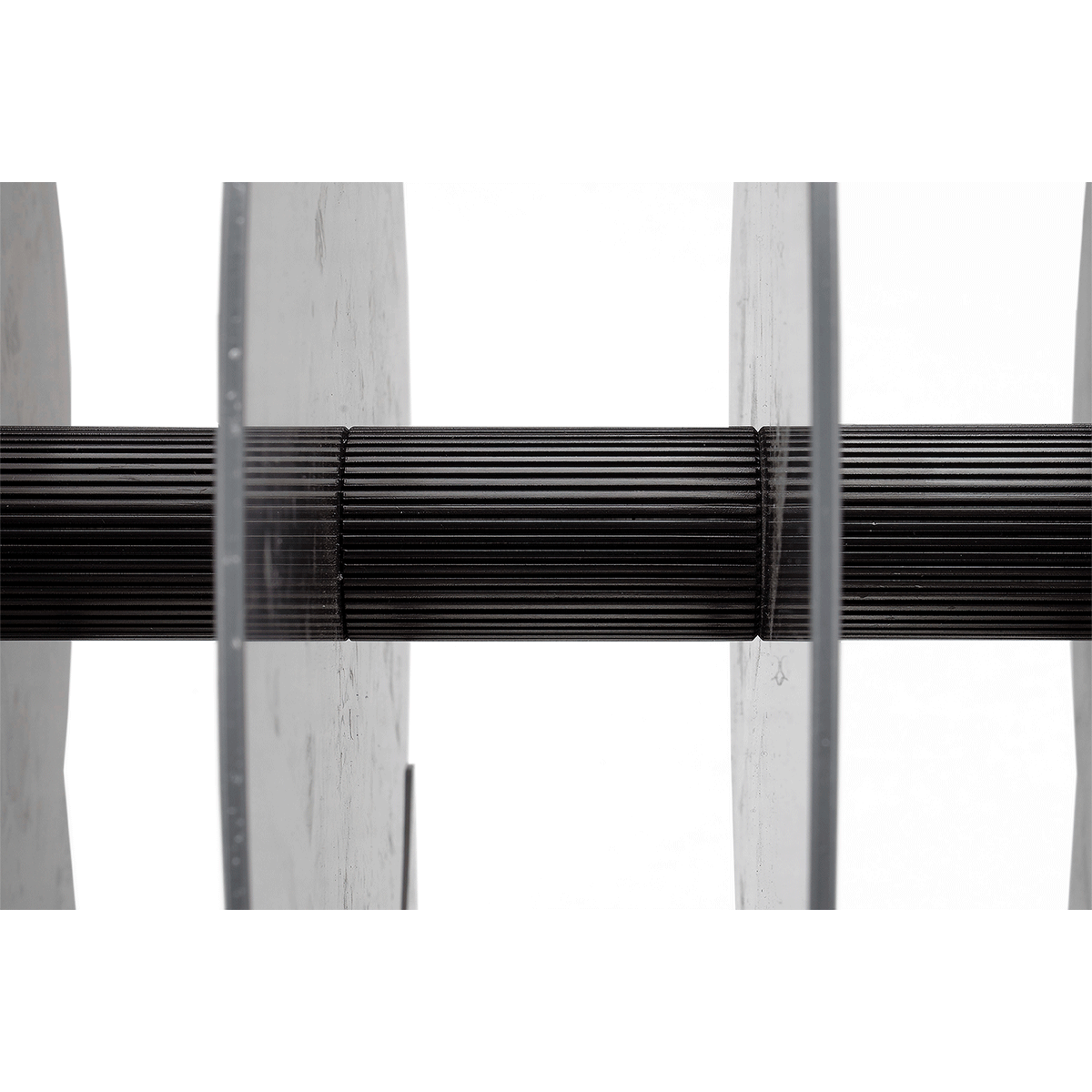
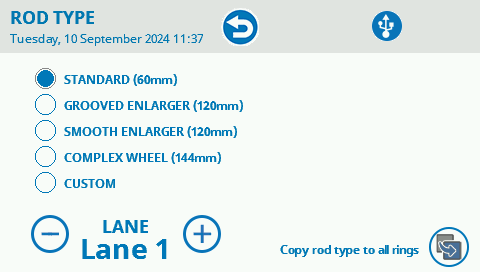
| Optional Rod enlarger | It allows to test different animal models and also to vary the test difficulty without acting on the speed or mode |
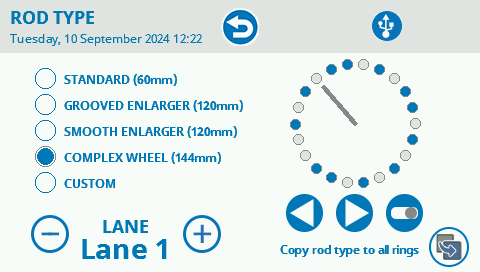
| Optional Complex Wheels | Thanks to the irregular rung and adjustable pattern, the test gains in complexity and sensitivity |
| Speed adjustable from 3 to 80 RPMs and multiple modes (constant, rocking, accelerating, complex accelerating ramps) | Allows for a very broad range of animal models and experimental settings |
| Control unit and USB key saving | No need to connect a PC |
| Automatic conversion of data into CSV files for the USB stick | Possibility to open files in Excel |
| PC software | Possibility to populate your vivarium of animals and to build complex temperature ramps |
Application
The RotaRod test is commonly used in combination with other motor tests, such as grip strength and hanging test to measure, motor function, coordination and balance.
The test starts with a training trial with the animals placed on the rod rotating at the lowest speed. A time threshold (e.g. 1 minute) is set, below which the animal is immediately put back on the RotaRod until it stays on the rod for the threshold time.
After training, the real trials start and the latency to fall as well as the other parameters (see above) are recorded.
The classic test was run at constant speed, but already in the ‘60s (Jones and Roberts, 1968), the advantages of using accelerating modes were shown, such as training reduction, increased sensitivity and statistical significance improvement.
The test is used to test motor deficits in the most common animal models of Parkinson’s, ALS, Huntington’s disease, multiple sclerosis, brain injury and all models where motor coordination and function is to be investigated.
Ordering Information
RotaRod |
|
| 47650 Mouse RotaRod | Mouse RotaRod with USB output and USB flash drive (E-AU 101), including instruction Manual and X-PAD Software Package |
| 47750 Rat RotaRod | Rat RotaRod with USB output and USB flash drive (E-AU 101), including instruction Manual and X-PAD Software Package |
| 47750-D01 Large Rat RotaRod | Large Rat RotaRod with USB output and USB flash drive (E-AU 101), including instruction Manual and X-PAD Software Package |
| 47850 Combination Package Mouse + Rat RotaRods | Combination Package 47650 Mouse RotaRod + 47750 Rat RotaRod with USB output and USB flash drive (E-AU 101), including instruction Manual and X-PAD Software Package |
Options |
|
| 47650-325 | Mouse RotaRod black enlarger with grooves, 60 mm diameter instead of original 30 mm (5 pieces set, magnetic fixing). (suitable for Mouse RotaRod SKU 47650). Click here for details |
| 47650-326 | Mouse RotaRod black enlarger with rubber (smooth), 60 mm diameter instead of original 30 mm (5 pieces set, magnetic fixing). (suitable for Mouse RotaRod SKU 47650). Click here for details |
| 47650-327 | Mouse RotaRod Complex Wheel (30 bars) (suitable for Mouse RotaRod SKU 47650). (suitable for Mouse RotaRod SKU 47650). Click here for details |
| 47750-325 | Rat RotaRod black enlarger with grooves, 120 mm diameter instead of original 60 mm (4 pieces set, magnetic fixing). (suitable for Rat RotaRod SKU 47750; not suitable for Large Rat RotaRod SKU 47750-D01). Click here for details |
| 47750-326 | Rat RotaRod black enlarger with rubber (smooth), 120 mm diameter instead of original 60 mm (4 pieces set, magnetic fixing). (suitable for Rat RotaRod SKU 47750; not suitable for Large Rat RotaRod SKU 47750-D01). Click here for details |
| 47750-327 | Rat RotaRod Complex Wheel (22 bars) (suitable for Rat RotaRod SKU 47750; not suitable for Large Rat RotaRod SKU 47750-D01). Click here for details |
| 47750-D01-325 | Large Rat RotaRod black enlarger with grooves, 120 mm diameter instead of original 80 mm (4 pieces set, magnetic fixing). (suitable for Large Rat RotaRod SKU 47750-D01; not suitable for Rat RotaRod SKU 47750). Click here for details |
| 47750-D01-326 | Large Rat Rota-Rod black enlarger with rubber (smooth). 120 mm diameter instead of original 60 mm (4 pieces set, magnetic fixing). (suitable for Large Rat RotaRod SKU 47750-D01; not suitable for Rat RotaRod SKU 47750). Click here for details |
| 47750-D01-327 | Large Rat RotaRod Complex Wheel (26 bars). (suitable for Large Rat RotaRod SKU 47750-D01; not suitable for Rat RotaRod SKU 47750). Click here for details |
Main References
W. Dunham, T. S. Miya, 1957, “A note on a simple apparatus for detecting neurological deficit in rats and mice“, PubMe
J. Jones, D. J. Roberts, 1968, “The quantitative measurement of motor inco-ordination in naive mice using an accelerating rotarod“, Journal of Pharmacy and Pharmacology
Mouse
Kang, B. et al. (2025) ‘Acoustofluidic bioassembly induced morphogenesis for therapeutic tissue fabrication,’ Nature Communications
Dietz, A. G. et al (2023) “Local extracellular K+ in cortex regulates *orepinephrin* levels, network state, and behavioral output”, PNAS
Victorelli, S. et al. (2023), “Apoptotic stress causes mtDNA release during senescence and drives the SASP”, Nature
Ang, S. J. et al (2022), “Muscle 4EBP1 activation modifies the structure and function of the neuromuscular junction in mice”, Nature Communications
Valassina, N. et al. (2022), “Scn1a gene reactivation after symptom onset rescues pathological phenotypes in a mouse model of Dravet syndrome”, Nature Communication
Ji, H. et al. (2022), “A Mouse Model of Cancer Induced Bone Pain: From Pain to Movement“, Front Behav Neurosci.
Möller, M. et al. (2022) “The Role of AlphαSynuclein in Mouse Models of Acute, Inflammatory and Neuropathic Pain“, Cells
Forner, S. et al. (2021), “Systematic phenotyping and characterization of the 5xFAD mouse model of Alzheimer’s disease“, Nature
von Collenberg, C. R. et al. (2020), “Correction: An essential role of the mouse synapse-associated protein Syap1 in circuits for spontaneous motor activity and rotarod balance“, Biol Open.
Rat
Awad-Igbaria et al., 2025, “Novel insight into TRPV1-induced mitochondrial dysfunction in neuropathic pain”, Brain
Hara, K. et al. (2022), “Verbascoside administered intrathecally attenuates hyperalgesia via activating mu-opioid receptors in a rat chronic constriction injury model”, European Journal of Pain
Kimura, M. et al. (2020), “Antinociceptive effect of selective G protein-gated inwardly rectifying K+ channel agonist ML297 in the rat spinal cord”, Plos One
Haranishi, Y. et al. (2020), “Antihyperalgesic effects of intrathecal perospirone in a rat model of neuropathic pain”, Pharmacology Biochemistry and Behaviour
Chen, L. et al. (2014), “Liquiritigeni* alleviates mechanical and cold hyperalgesia in a rat neuropathic pain model”, Scientific Reports
Joseph, E.K. et al. (2008), “Oxaliplati* Acts on IB4-Positive Nociceptors to Induce an Oxidative Stress-Dependent Acute Painful Peripheral Neuropathy”, The Journal of Pain
Kesingland, A.C. et al. (2000), “Analgesic profile of the nicotini* acetylcholin* receptor agonists, (+)-epibatidin* and ABT-594 in models of persistent inflammatory and neuropathic pain”, Pain
General |
|||
| Commands | 4,3” touch-screen, usable with gloves | ||
| Read-out | Touch-screen and PC (via USB key) | ||
| Power Requirement | Universal input 100-240 VAC, 50-60Hz, 40W max. | ||
| Sound Level | < 60 dB (A) | ||
| Operating Temperature | 10° to 40° C | ||
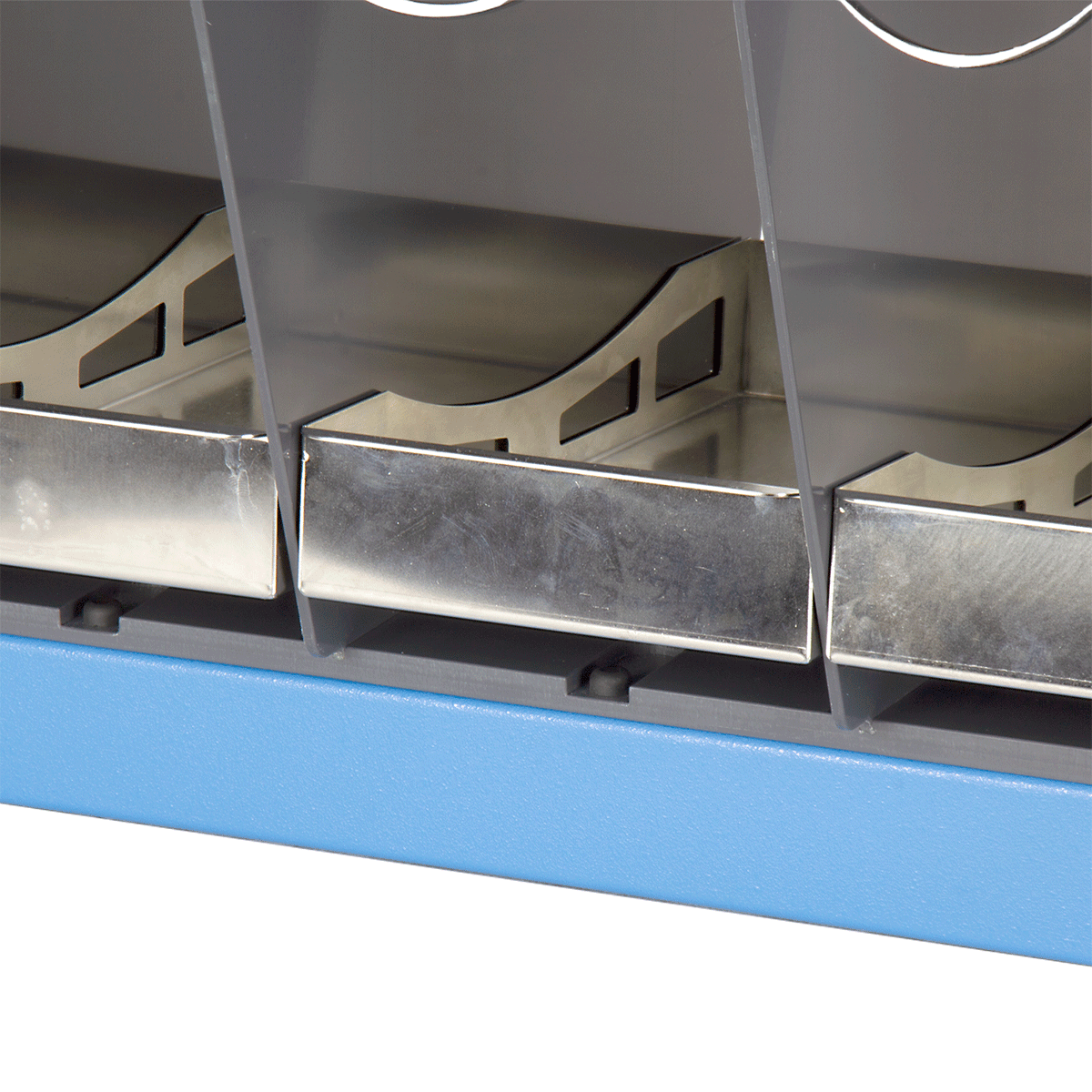
| Trip Box | Stainless-steel to ease sterilization | ||
Dimensions |
|||
| Animal | Mice (47650) | Rats (47750) | Large Rats (47750-D01) |
| Lanes | 5 lanes for mice | 4 lanes for Rats | 4 lanes |
| Rod diameter | 3 cm | 6 cm | 8 cm |
| Rod Width | 5,8 cm | 8.7 cm | 12 cm |
| Fall Height | 16 cm | 30 cm | 40 cm |
Operation |
|||
| Speed | Adjustable from 3 to 80 RPM, in steps of 1 RPM (Custom ramp mode allows start from 0RPM) | ||
| Mode | Constant, ramp, reverse ramp, custom ramp and rocking | ||
| Start/Stop | From the touch-screen | ||
| Detection | Trip box magnetic sensor | ||
| Results | Time Elapsed, Revolutions, Distance, Speed, Mode for each lane | ||
| Data Acquisition | .csv exported file (via USB key) | ||
| Data Portability | By USB flash drive | ||
| TTL Output | Trip box status, rotating direction, start/stop experiment | ||
| Data Out | exported to .cvs | ||
| Data In | Import protocol and custom ramps | ||
Physical |
|||
| Mice (47650) | Rats (47750) | Large Rats (47750-D01) | |
| Total Weight | 11 Kg | 15 Kg | 17 Kg |
| Shipping Weight | 16 Kg | 21 Kg | 40 Kg |
| Dimensions | 46 x 28 x 33 cm | 55 x 46 x 57 cm | 70 x 46 x 65 cm |
| Packing Dimensions | 70 x 36 x 46 cm | 70 x 36 x 46 cm | 77 x 65 x 83 cm |
Warranty |
|||
| Warranty | Mouse, Rat and Large Rat RotaRods are covered by a 12 months warranty + 12 months upon product registration | ||
| UB-Care | Additional UB-Care can be added for additional 12 or 24 months | ||