Grip Strength Meter (GSM) for Mice and Rats
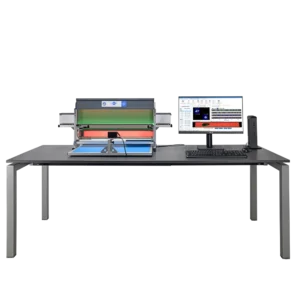
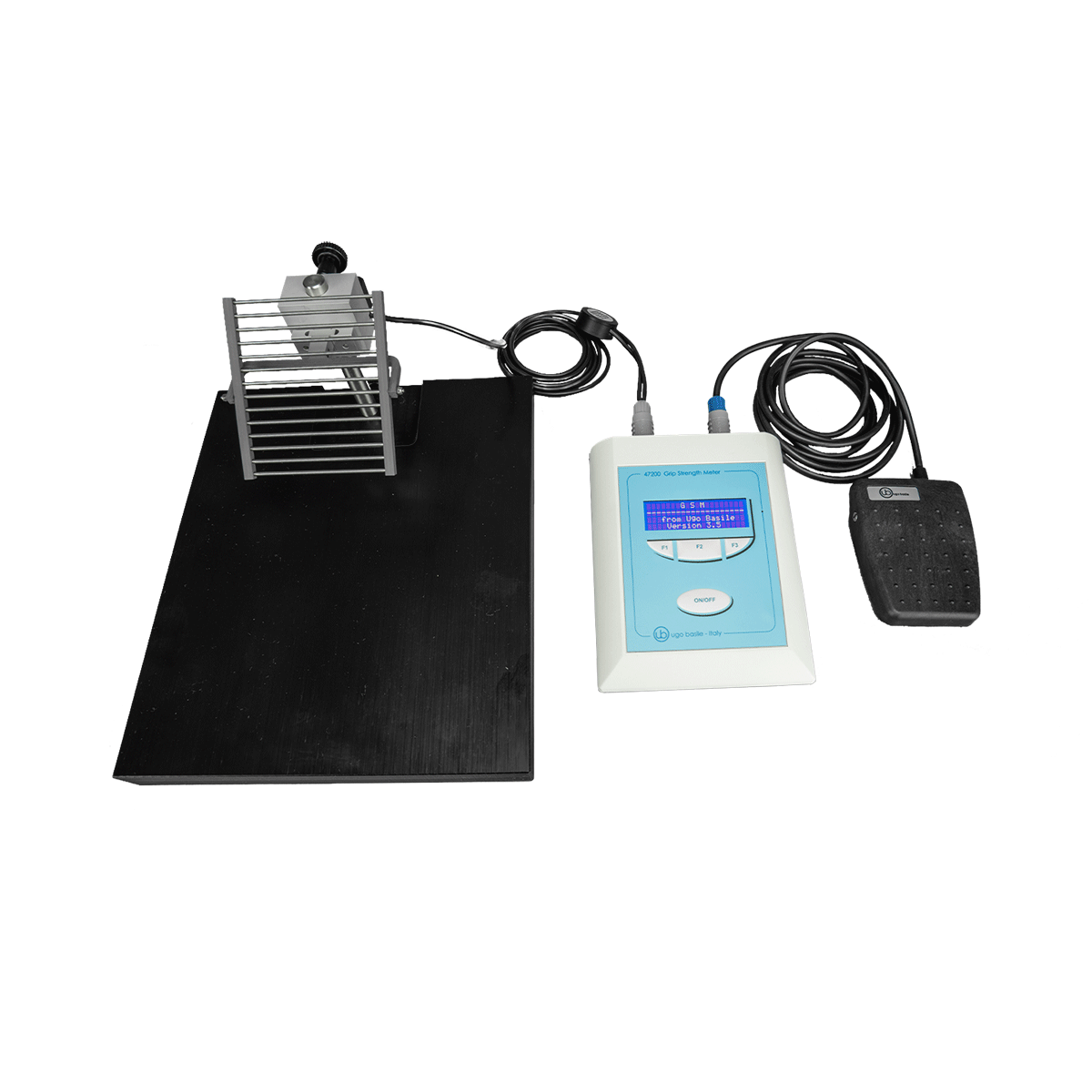
The Grip Strength Meter determines the maximum force displayed by an animal in the forelimb, hind-limb or all four limbs.
Product Enquiry
If you would like to send us an enquiry about this product, please click the button below, fill in the form and submit.
Product Enquiry
Product Enquiry
Please fill out the form if you would like to enquire about this product."*" indicates required fields

The Grip Strength Meter determines the maximum force displayed by an animal in the forelimb, hind-limb or all four limbs, thanks to the full set of accessories included in the Ugo Basile Grip Strength Meter package.
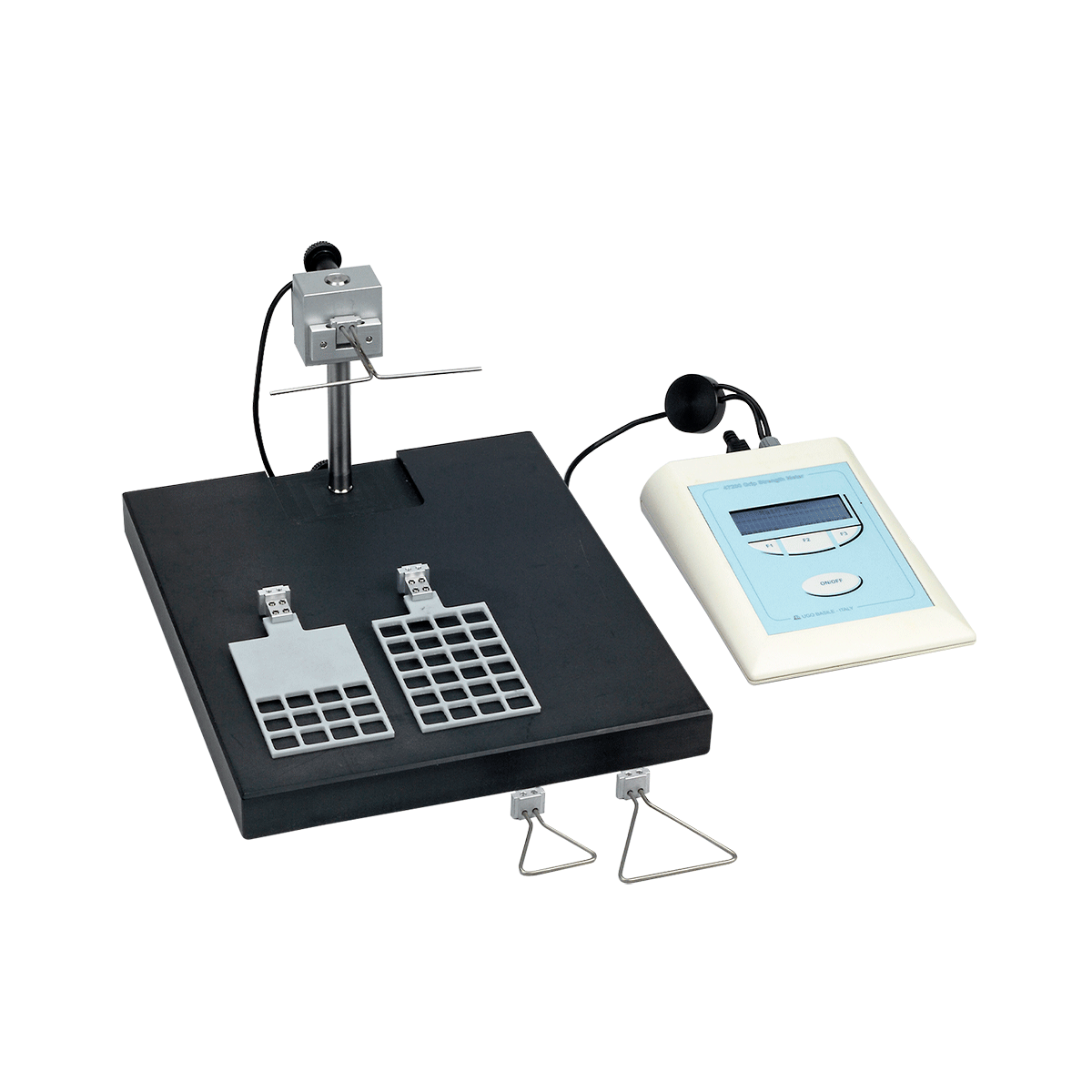
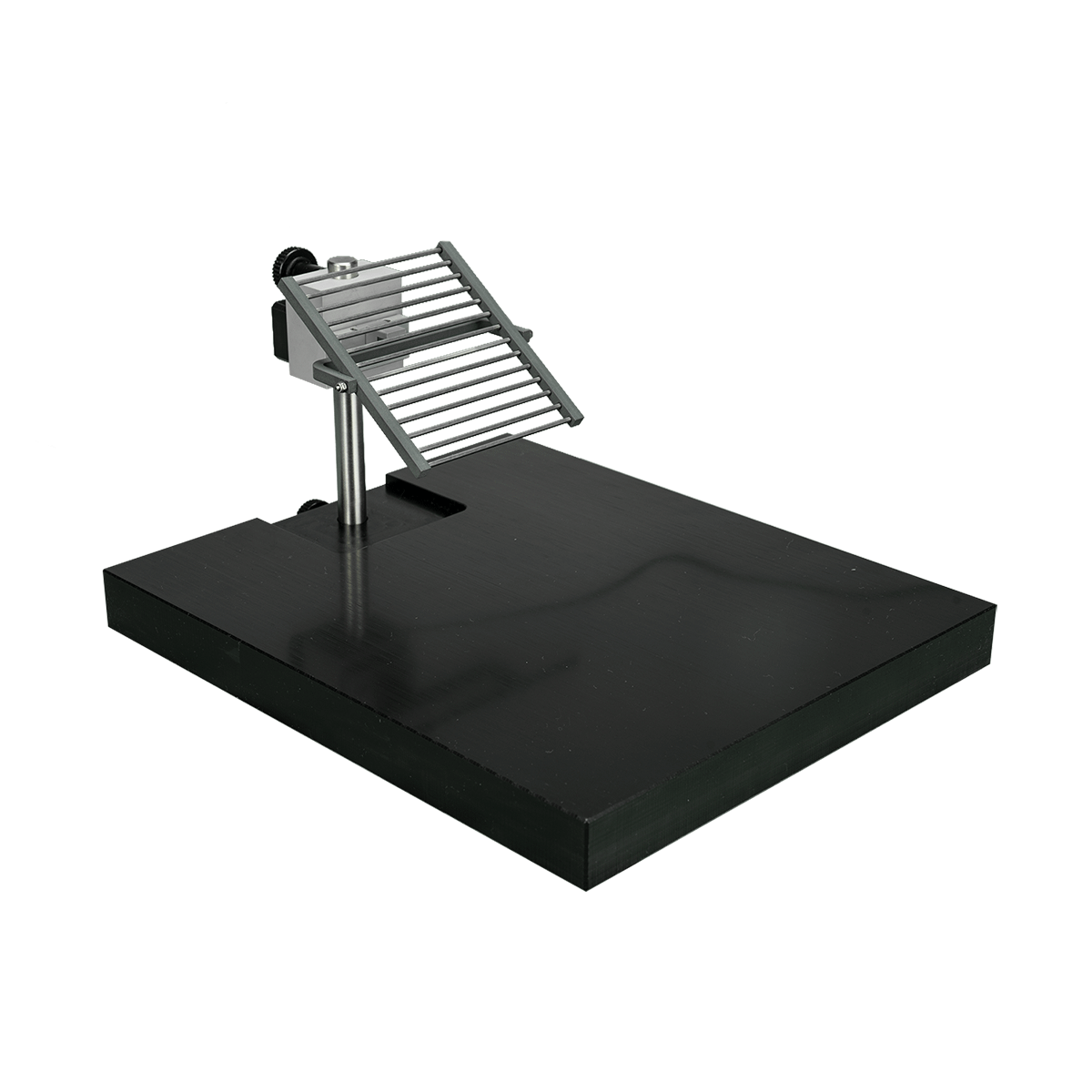
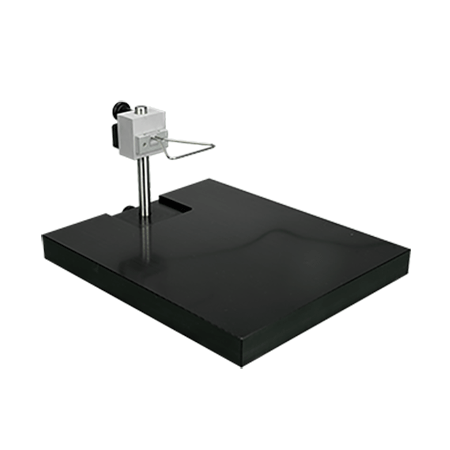
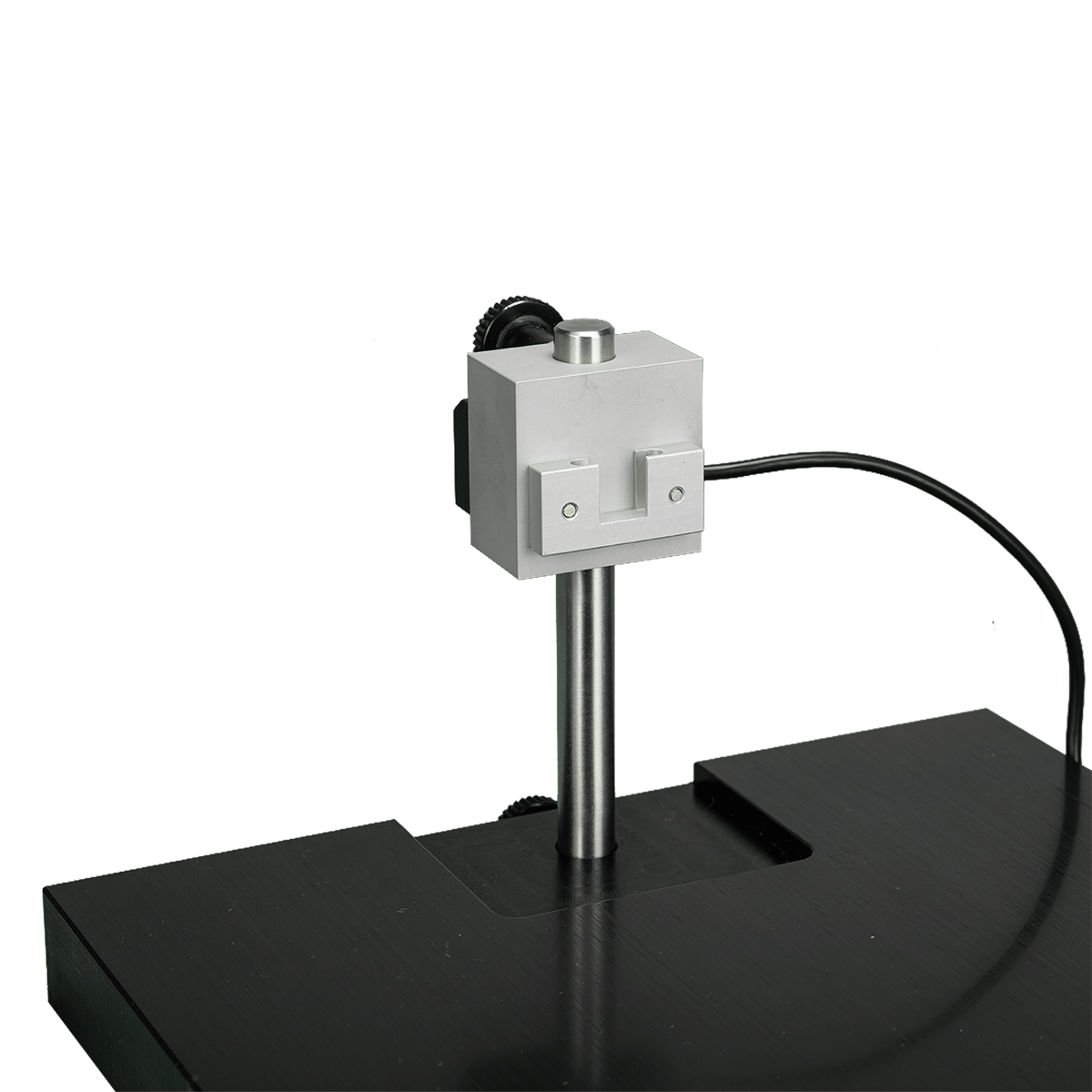
The technique exploits the instinctive resistance of rodents to backward movements and their consequence tendency to grasp (grip) against the pull-back movement that the operator applies. The device has a self-calibrating and auto-zeroing force sensor, amplifier and peak detector, embedded in stand-alone (battery powered) controller and sturdy base, where grasp accessories are mounted (stainless-steel T-shaped bar, 2 stainless-steel trapeze bars, a plastic grasping grid, a plastic grasping grid partly blind and a stainless-steel orientable grid).
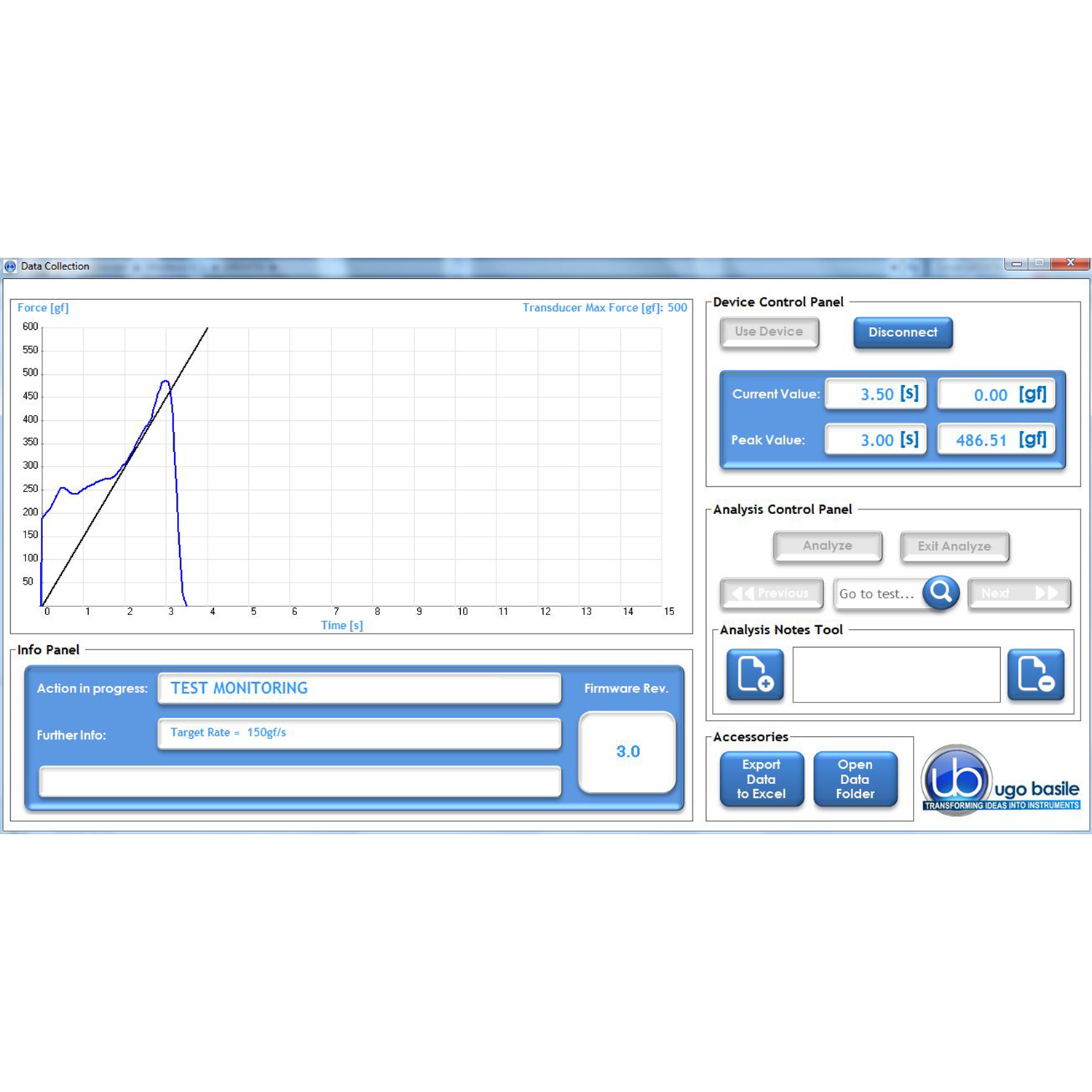
It also includes easy data transfer into .csv, Excel-compatible files and a PC software to pre-determine the slope of the force applied to the animal when pulling back.
Background
The grip strength meter determines the maximum force (skeletal muscle function) displayed by an animal thanks to the instinctive resistance of rodents to backward movements and their consequence tendency to grasp (grip) against the pull-back movement that the operator applies. Because of its simplicity and economy, the grip strength meter is the most commonly used in vivo test for monitoring impaired limb strength (fore and/or hind limb) caused by pathology progression and/or chronic exercise in rodents Because this test is non-invasive and does not damage the muscle, it can be performed over time, being a useful tool to assess the effect of either a short or long-term treatment. When the test is performed in a fashion that maintains rigorous timing, the animals do not lose interest in the test over time.
Automated detection, standalone or PC-based
- The Ugo Basile grip strength meter can measure the 2 forelimbs, the 2 hindlimbs and the 4 limbs in rats and mice, thanks to the included stainless-steel T-shaped bar, 2 stainless-steel trapeze bars, the plastic grasping grid, the plastic grasping grid partly blind (for 2 limbs) and a stainless-steel orientable grid (see pictures above).
- The device automatically stores and displays the peak pull-force (peak tension) achieved by the limbs before the animal loses grip, thanks to its peak detector algorithm.
- The PC slope feature is useful to verify if the desired force has been applied with consistent rate, serving as a quality control tool, showing the applied pulling force, the desired target force rate and the peak detection in real time.
- A force sensor and a peak amplifier have been integrated for high-precision measurements with a grip strength meter. The maximum applicable force is 1’500g with a resolution of 0.1g.
- The device can be used stand-alone or can be connected to a PC via the USB port to monitor the experiment and record the data.
- Control unit with internal memory to view and save data. Quick data transfer in .csv or .txt format for data analysis.
- There is no need of manual calibration since the instrument has an auto-calibration feature before running any trial.
Features & Benefits
Feature |
Benefit |
| Multiple grasping tools | Allows for measurement of 2 fore-, hind-limbs and 4 limbs in rats and mice, according to the animal model and experimenter preference (T-shape, trapeze, grids) |
| Battery powered compact control unit with intuitive setting and result view | Does not take much space on the bench and is feature rich, while still easy to use |
| Sturdy base with attached and height-adjustable height | Decreases the experimenter bias of hand-held devices and provides flexibility in the pulling procedure |
| PC-software with slope for force rate control | Allows the experimenter to apply the force in a pre-determined and consistent manner, live, during the test |
Application
The test measures grasping force and hence skeletal muscle performance, however it is a flexible tool for many other purposes, for example for determination of fatigue: when repetitive tests are performed in sequence with a short latency between each test, the reduction in strength between the first and the last determination can be taken as an index of fatigue.
The classic use of the grip strength meter is hind or whole limb strength measurement.
The hind limb strength is generally measured with a grid and the animal grasps with the four limbs, but it is pulled until the hind limb are released, which happens after the fore-limbs.
To measure the four limbs, generally it is important to apply a stronger and faster rate so that all the limbs are released at the same time.
Applications range from drug testing to toxicology, ageing, and phenotyping, especially on models of Parkinson’s, inflammation, amyotrophic lateral sclerosis (ALS) on both rats and mice.
Ordering Information
47200 GSM Grip Strength Meter |
|
| 47200-001 | Electronic Unit |
| 47200-002 | Force Transducer |
| 47200-004 | Black PVC Base width 13mm upright |
| M-LM 590 | Trapeze (Rat) |
| M-LM 588 | Trapeze (Mouse) |
| M-LM 589 | T-shaped bar |
| 47200-325 | Grasping grid for mouse |
| 47200-326 | Grasping grid (partly blind) |
| 47200-328 | Metal grasping grid |
| 38500-303 | External trigger switch (foot pedal) |
| E-AU 101 | USB Key, including DCA Software |
Main References
G. Amodeo, G. Galimberti, P. Sacerdote, S. Franchi, 2023, “Characterization of prokineticin system in Crohn’s disease pathophysiology and pain, and its modulation by alcohol abuse: A preclinical study”, Elsevier Biochimica et Biophysica Acta (BBA) – Molecular Basis of Disease
K. A.El-Saiy, R.H. Sayed, A. E. El-Sahar, E. A. Kandil, 2022, “Modulation of histone deacetylase, the ubiquitin proteasome system, and autophagy underlies the neuroprotective effects of venlafaxine in a rotenone-induced Parkinson’s disease model in rats“, Elsevier
C. P. Papaneophytou, E. Georgiou, C. Karaiskos, I. Sargiannidou, K. Markoullis, M. M. Freidin, C. K. Abrams, K. A. Kleopa, 2018, “Regulatory role of oligodendrocyte gap junctions in inflammatory demyelination“, GLIA
E. El-Horany, R. N. Abd El-latif, M. M. ElBatsh, M. N. Emam, 2016, “Ameliorative Effect of Quercetin on Neurochemical and Behavioral Deficits in Rotenone Rat Model of Parkinson’s Disease: Modulating Autophagy (Quercetin on Experimental Parkinson’s Disease)“, Journal of Biochemical and Molecular Toxicology
J. Ajarem, N. G. Altoom, A. A. Allam, S. N. Maodaa, M. A. Abdel- Maksoud, B. KC. Chow , 2016, “Oral administration of potassium bromate induces neurobehavioral changes, alters cerebral neurotransmitters level and impairs brain tissue of swiss mice“, Elsevier
L. Liu, C. Peritore, J. Ginsberg, J. Shih, S. Arun, G. Donmez, 2015, “Protective role of SIRT5 against motor deficit and dopaminergic degeneration in MPTP-induced mice model of Parkinson’s disease“, Elsevier
J. B. Stephenson IV, R. Li, J. Yan, J. Hyde, H. Matloub, 2013, “Transhemispheric Cortical Plasticity Following Contralateral C7 Nerve Transfer: A Rat Functional Magnetic Resonance Imaging Survival Study“, Elsevier
F. Richter, M. Hamann, A. Richter, 2006, “Chronic rotenone treatment induces behavioral effects but no pathological signs of parkinsonism in mice“, Journal of Neuroscience Research
P. Dion, V. Shanmugan, C. Gaspar, C. Messaed, I. Meijer, A. Toulouse, J. Laganiere, J. Roussel, D. Rochefort, S. Laganiere, C. Allen, G. Karpati, J. Bouchard, B. Brais, G. A. Rouleau, 2005, “Transgenic expression of an expanded (GCG)13 repeat PABPN1 leads to weakness and coordination defects in mice“, Elsevier
Operation |
|
| Commands | Via soft buttons on the electronic unit |
| Read-out | Multifunction graphic display, PC |
| Start | Automatic when force applies to the instrument |
| Stop | Automatic or by pedal |
| Force ranges | 0-100gf, 0-500gf, 0-1500gf |
| Force increasing rate | Monitored via GSM Electronic Unit or via the DCA Software on the PC |
| Force response | 0.1gf steps |
| Latency time | 0.1s steps |
| Connection to PC | Via USB cable (A to mini-B) and GSM Software (DCA) |
| Power requirement | Either rechargeable battery operated, via USB cable connected to PC; includes power supply (100-240 VAC, 50-60Hz) |
| Operating temperature | 10° to 40° C |
Physical |
|
| Base dimension | 26 x 22 x 2,5 cm |
| Pole height | 13 cm |
| Pole diameter | 1,3 cm |
| Total weight | 3.8Kg |
| Packing Dimensions | 46 x 38 x 27 cm |
| Shipping weight | 6,5 Kg |
Warranty |
|
| Warranty | Grip Strength Meter is covered by a 12 months warranty + 12 months upon product registration |
| UB-Care | Warranty can be extended for additional 12 or 24 months |